
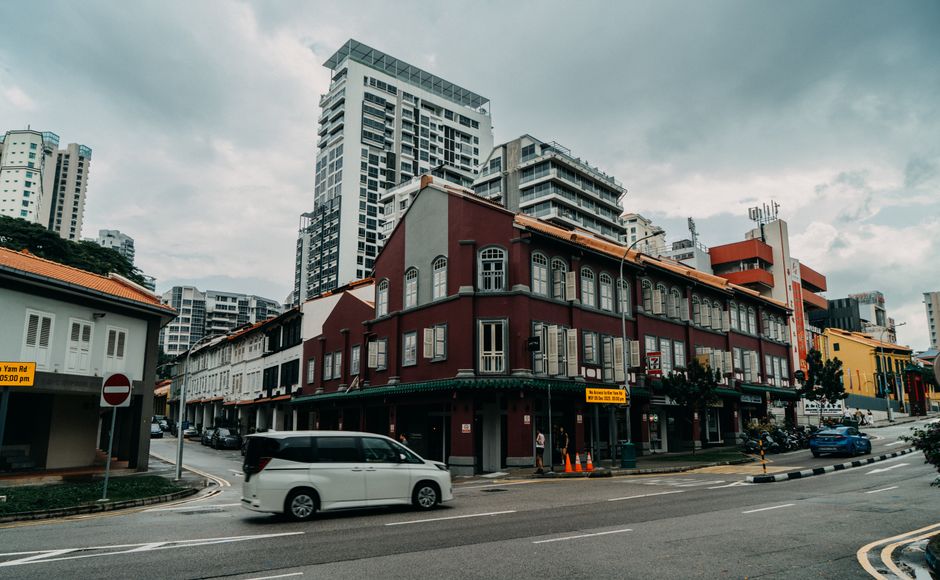
A Grab driver at the multi-storey carpark off Jurong East Avenue 1 locks the fob inside a Honda Vezel at 9:15pm. He does not open a browser tab and read a brand story. He types “car lockout near me” or “locked keys in car Singapore”, glances at the Map Pack, and calls the first shop that looks open, close, and trusted. If your van can be there in 25 minutes and you never showed up in that pack, the job is already gone.
That is the real market for local SEO for auto locksmith Singapore work. Demand is urgent, mobile-first, and hyper-local. Buyers sit in HDB multi-storey carparks in Tampines and Punggol, condo basements in the East, and office lots in the Central and West corridors. They want a phone number, proof you handle their make, and a clear sense you will answer WhatsApp or the line now. Organic search is still one of the cleanest ways to win those jobs without paying for every click, but only if the stack is built for lockouts and key programming, not generic “security services” fluff.
This guide is a practical how-to for owners and marketing leads who want organic enquiries that become dispatched jobs. You will map intent, fix Google Business Profile and service pages, add proof that converts under stress, and set a content cadence you can sustain without hiring a full writing desk.
Auto locksmiths working around Jurong East can apply the SEO how-to in this guide with a sharper local focus. Target location: Jurong East. The Jurong East home services page collects market notes for service businesses in the area, covering the kinds of searches residents and drivers run and how they tend to choose a provider. Use it to decide which neighbourhood terms belong on your service pages and in your Google Business Profile.
Why high-intent searches are going to competitors, not your phone
The core failure is wrong pages, not absent search volume. Most shops that “do SEO” already have a website and a Google profile. Someone searches “lost car key programming Singapore” or “auto locksmith Woodlands”, sees three Map Pack results with fresh reviews and clear service areas, and never scrolls to organic result eight. Your site may rank for broad phrases like “locksmith Singapore” while the money terms, lockout, spare key, immobiliser, key fob replacement, sit on thin pages or no page at all.
Intent clusters matter more than a single keyword list. Emergency lockouts convert on call and WhatsApp. Planned spare keys and programming jobs convert on proof, price framing, and make/model coverage. Fleet and workshop partners search differently again. If every query lands on a homepage that talks about door locks and padlocks first, high-intent auto traffic bounces. You paid nothing for the click and still lost the job to a competitor whose page said “car key replacement, on-site programming, same-night callout” in the first screen.
Response speed and proof close the loop after the click. A page that ranks but hides the mobile number, forces a long form, or shows three-year-old reviews will not book night work. Tracking gaps make it worse. If you cannot tell which queries and which service pages produced a PayNow deposit or a dispatched van, you keep publishing random posts and hoping. Plenty of owners then conclude “SEO does not work for locksmiths” when the real issue is misaligned pages, weak local entities, and no closed loop from search term to job sheet.
Paid search can fill gaps, but CPCs keep rising industry-wide and wasted query spend is common when landing pages and negatives are loose. Organic local visibility is the durable layer: when your Map Pack presence, service-area pages, and review velocity are healthy, you still win jobs on nights you are not actively managing ads. The rest of this piece is the playbook to build that layer in Singapore without pretending you need a 20-person content team.
Map the searches that actually dispatch a van
Start with jobs you already win, not a tool dump of volume. Pull 60 to 90 days of call logs, WhatsApp enquiries, and job sheets. Tag each booked job by trigger: lockout, broken key, lost key, spare key, battery fob, ignition, motorcycle if you do it. Note suburb or planning region when you can: Central, East, West, North, North-East, plus repeat pockets like Tampines, Punggol, and Woodlands. You are building intent clusters tied to revenue, not vanity traffic.
Group phrases the way buyers type them. Emergency cluster: car lockout Singapore, locked keys in car, auto locksmith near me, open car door without key. Replacement cluster: car key replacement Singapore, lost car key programming, key fob replacement, immobiliser key. Brand-plus-intent: Honda key programming Singapore, Toyota smart key, BMW key replacement. Local modifiers: auto locksmith Tampines, car lockout Jurong, locksmith near Changi Business Park. Your primary pages and GBP categories should mirror these clusters, not a single “Services” blob.
Check what already ranks in the local pack and classic results for five to ten money phrases on mobile. Note who owns the pack, how many reviews they show, whether they list hours that cover nights and weekends, and whether their landing URLs are dedicated auto pages or generic locksmith homepages. If competitors win with thin sites but strong reviews and fast NAP consistency, your content strategy alone will not beat them until the local entity layer is solid.
Decide which queries deserve a dedicated page versus a section. High-intent, high-margin work like on-site programming and 24-hour auto locksmith Singapore lockout coverage should own unique URLs with clear titles, proof, and CTAs. Lower-volume makes can live as structured sections on a “car brands we cover” page if you truly service them. Do not manufacture thin location pages for every estate if you cannot staff those areas honestly. Google and buyers both punish service-area fiction. Be precise about where vans actually roll, and use GBP service areas plus a clean location strategy instead of twenty near-duplicate suburb posts.
If you want a specialist to pressure-test the keyword-to-page map against real dispatch data, a focused SEO audit on the auto locksmith cluster is usually enough to stop guesswork before you rewrite half the site.
Get a free marketing audit - we review your search, ads, and landing pages and send back what to fix first.
Get a free audit
Build the local SEO stack owners can run week to week
Treat Google Business Profile as a dispatch surface, not a listing you claimed once in 2019. Primary category should match auto locksmith work as closely as Google allows, with secondary categories only when accurate. Service list should name lockout, car key replacement, key programming, and related auto jobs in plain language. Hours must reflect real coverage, including nights if you take them. Photos of vans, on-car work, and key cutting gear outperform stock padlock images. Weekly posts that mention seasonal patterns, such as a post-CNY post about Toyota Vios smart-key battery failures after cars sit unused during the break, school-holiday staycation lockouts, or the pre-Hari Raya family-trip surge, keep the profile active without turning into blog spam.
NAP consistency still matters across your site footer, GBP, directories you actually control, and any fleet or partner pages. Use one phone number you answer, ideally call-tracked if you care which channel drove the ring. Singapore buyers lean hard on WhatsApp enquiry. Put a clear WhatsApp path on mobile without burying it under chat widgets that load late. If you take PayNow deposits for programming jobs, say so on the page so trust rises before the call.
Service pages for lockouts and car key programming Singapore
Service pages beat brochure homepages for conversion. Each money page needs: who it is for, what you do on site, makes and systems you cover, typical process and time window, service areas you truly cover, proof (reviews, photos, guarantees you can honour), and one primary CTA. Write for the person standing beside the car. Short paragraphs, scannable bullets, and a sticky call button beat long brand essays. Internal links should connect lockout pages to programming pages and back to GBP-driven landing URLs so both users and crawlers understand the entity.
Reviews are local ranking fuel and conversion fuel. Ask after successful jobs with a simple WhatsApp template and a direct review link. Reply to every review, especially the mixed ones, with specifics (“Honda Civic lockout in Bedok, 28 minutes on site”) rather than generic thanks. Aim for steady velocity, not a once-a-year burst. Photo reviews that show the vehicle context help more than star counts alone when a stressed driver is comparing two shops in the pack.
Technical basics still gatekeep rankings. Mobile speed, readable fonts, tap-friendly buttons, and stable layout matter when someone is outside an HDB block with wet hands. Core Web Vitals remain a real split across the web; as of Q1 2025 CrUX data, roughly 54% of origins pass all three Core Web Vitals (source: httparchive.org), so a slow locksmith site is still an easy way to lose the click you earned. Fix title tags and H1s so money phrases appear naturally. Add LocalBusiness or relevant schema only when accurate. Strip popups that block the number on mobile.
Content should answer the next question after “can you open it?” How long does programming take for common models? What do you need from the owner for a spare key? When is towing smarter than forced entry? Those pieces support E-E-A-T and can earn citations beyond the Map Pack. A sustainable cadence beats a heroic ten-post month. HeyLead’s Auto Blogger is built for exactly this kind of niche-and-region publishing under human strategy, so you keep shipping Singapore-specific auto locksmith articles without standing up a full in-house writing team.

Two Singapore scenarios where organic search started filling the board
Scenario one: a two-van auto locksmith covering the East and North-East. Organic enquiries were random. The homepage ranked for loose “locksmith” terms. Night lockouts still went to a competitor with 4.9 stars and a GBP that said “car key” in the first line. The owner pulled 75 days of WhatsApp threads and found 41 booked jobs started with lockout or lost-key language, mostly Tampines, Pasir Ris, and Punggol. They built one lockout page and one key-programming page, rewrote GBP services and photos (including the van at HDB carparks), and moved the mobile number and WhatsApp above the fold. Review requests went out the morning after every completed job.
Within roughly six weeks the Map Pack appearance for “car lockout Tampines” style queries became consistent enough that night call volume shifted. Tighter entity signals and a page that matched the query and made calling obvious - that combination moved the pack appearance, not a link campaign. They tracked source in a simple sheet: GBP call, organic page, referral. Programming jobs still needed a short proof block (makes covered, on-site vs workshop) before deposit talk. Form fields dropped from seven to three on the programming page after they saw people abandon on model-year questions better handled on the call.
Scenario two: a Central and West shop that already had decent traffic but weak booking rate. Sessions hit the “car key replacement Singapore” page, then left. Using heatmaps and session replays, they found scroll depth died before the pricing framing and that the primary button was “Email us”, useless at 11pm in a condo basement off River Valley. The leak was obvious: proof and contact lived below a long essay about company history. They put Call and WhatsApp first, moved three recent auto-specific reviews up, and added a plain “typical on-site window” line. HeyLead Insights tied those sessions to the channels and queries that produced enquiries, so the team could see which visits became booked jobs.
After the rewrite, the same organic URL produced more conversations without a ranking jump. That distinction matters. SEO that only chases positions ignores post-click friction. For auto locksmith work in Singapore, the handoff is half the system: rank for the intent, then remove every extra tap between the SERP and a human who can give an ETA. If your traffic looks healthy in Analytics but the board stays thin, fix the page before you buy another content package.
When you want the full channel picture tied to booked jobs rather than sessions alone, pair the page work with clear call tracking and weekly review of query reports. Soft checkpoint: if the site still reads like a general locksmith brochure, start from the Auto Locksmith marketing angle and rebuild the auto cluster first.
Action checklist
Free tools
DIY free tools for this playbook
Run these on the pages and campaigns this article covers, then fix what they flag before you scale spend or content volume.
Run these on this playbook
If the checklist shows a leak you cannot close in-house, request a free marketing audit.

Frequently asked questions
How long before local SEO produces booked auto locksmith jobs in Singapore?
GBP category and photo refresh - visible impact in the Map Pack in 2-4 weeks; a fresh lockout page with 10+ new reviews - 6-10 weeks to stable Map Pack appearance for suburb-level terms; competitive head terms like “auto locksmith Singapore” - expect 3-6 months of consistent work. Tie each timeframe to the inputs above, not to a promise of overnight rankings. Anyone promising a packed board in seven days is selling urgency, not a system.
Do I need a page for every estate or MRT area?
No. Build pages around real service coverage and distinct intent (lockout vs programming vs spare keys). Fake suburb pages with swapped place names waste crawl budget and trust. Use honest service areas, strong GBP categories, and a few genuine area pages only where you repeatedly win jobs and can write specific proof.
Should I prioritise SEO or Google Ads for lockouts?
Run them as layers, not rivals. Ads can capture overflow and new phrases quickly. SEO and GBP reduce how much you pay for the same high-intent jobs over time. If budget is tight, fix GBP, reviews, and one lockout landing page before scaling paid spend into a weak conversion path.
What proof belongs on an auto locksmith landing page?
Recent auto-specific reviews, makes and key systems you handle, clear night or weekend coverage, on-site process, service areas, and frictionless Call or WhatsApp. Skip stock images of house doors. Add any licensing or association marks only if accurate. State deposit or PayNow expectations for programming so surprises do not kill the booking on the call.
How do I keep content going without a full-time writer?
Work from a fixed cluster list tied to jobs you already sell. Reuse job-sheet language, FAQs from real WhatsApp threads, and short updates on GBP. A managed cadence tool under human strategy, such as HeyLead’s Auto Blogger, helps ship region-and-niche articles steadily so you are not depending on random bursts when the vans are busy.
Putting it to work
Pull the last 60 days of WhatsApp enquiries and job sheets, tag each booked job as lockout, lost key, spare key, or programming, and list the three search-style phrases customers actually used. Open your Google Business Profile on mobile the same day and align categories, services, hours, and the first three photos to those jobs. Publish or rewrite one lockout landing page that puts Call and WhatsApp first, with two auto-specific reviews above the fold.
If you want that local SEO loop for auto locksmith demand in Singapore owned end to end, from intent mapping and GBP through service pages, review velocity, and a sustainable content cadence, HeyLead can run the programme so you stay focused on dispatch. Start the conversation at [email protected].
Free marketing audit, or reach Martin directly:
Get a free audit Chat with us on WhatsApp · [email protected]