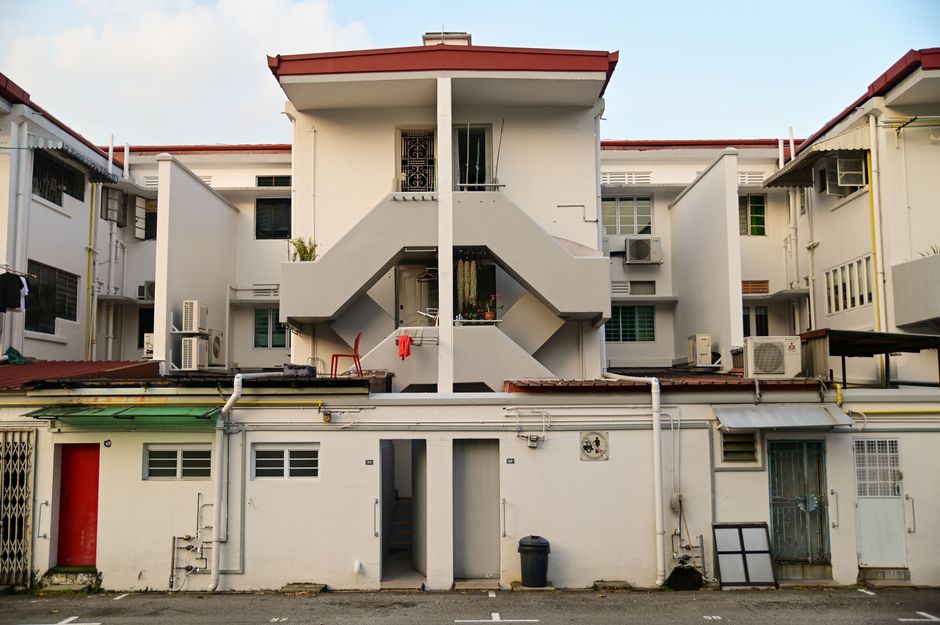
When a pipe bursts in a Punggol HDB flat at 10pm, homeowners reach for their phones and type fast. They want the first plumber who can reach them before water damage spreads to the neighbour below. That single behaviour shapes every part of plumbing services marketing Singapore.
The searches that turn into same-day jobs
High-intent queries cluster around urgency and location. Terms such as “24 hour plumber Singapore”, “burst pipe repair HDB”, and “condo leaking pipe East” bring homeowners who already know they need a tradesperson today. These searches carry different economics from brand or informational queries.
Google Ads campaigns built around these phrases see click-through rates climb when the ad copy repeats the exact problem and the suburb. Broad campaigns without negative keywords quickly pull in tyre-kickers looking for quotes weeks ahead. The difference shows up in cost per qualified job, not just cost per lead.
Organic results reward pages that load quickly on mobile and answer the immediate question. Homeowners on 4G in a condo lift do not wait for slow pages. Pages that surface licensing details, service areas, and a WhatsApp number within the first screen keep the click from bouncing.
Consider a five-person team operating mainly in the East. They tested broad match on “plumber Singapore” and watched cost per lead drop to roughly S$18, yet only one in twelve enquiries turned into a paid job because most callers wanted routine servicing six weeks out. Switching to exact match on “burst pipe repair Tampines” and “24 hour plumber East” raised cost per lead to S$47 but lifted the qualified-job rate to one in four. The team also added negative keywords for “quote”, “estimate”, and “aircon servicing” to cut waste. Within three weeks the same daily budget produced more confirmed appointments than the previous month’s broad campaign.
One hidden cost appears when teams chase every high-intent term without checking search-volume seasonality. During the June school holidays, “choked toilet” volume spikes while “water heater replacement” falls; bids that stay static end up overpaying for lower-intent traffic. Operators who review search-term reports fortnightly and shift budgets accordingly keep cost per qualified job inside a tighter band, typically S$110–S$160 for urgent HDB work.
Landing pages that match the moment the tap is still running
A homepage filled with general services rarely converts urgent traffic. Dedicated landing pages for burst pipes, choked toilets, and HDB water heater replacements perform better because they remove friction. The headline repeats the search term, the form asks only for unit number and preferred time, and trust signals sit above the fold.
Reviews from other HDB owners in the same estate carry more weight than generic testimonials. Photos of completed work in similar units reduce the perceived risk of letting a stranger into the home. Including PayNow as a payment option on the page shortens the decision cycle once the quote is accepted.
Speed matters more than design polish. A page that loads in under three seconds and shows a live WhatsApp button captures the homeowner before they open a second tab and call the next listing.
A North-East operator running three concurrent landing pages discovered that adding a simple “same-day slot available” banner lifted form submissions by 28 percent, yet the extra design and copy updates consumed roughly four hours of owner time each month. When they tried to reuse the same page for both HDB and landed-home traffic, conversion fell because landed homeowners expected different proof points and longer job durations. Maintaining separate versions proved necessary even though it increased hosting and testing overhead.
Teams that track scroll depth and time-on-page notice that visitors who reach the WhatsApp button within eight seconds convert at nearly twice the rate of those who scroll past the reviews. Setting a performance budget that keeps total page weight under 1.2 MB and testing on both iOS and Android 4G connections turns that observation into a repeatable checklist rather than guesswork.
Turning WhatsApp replies into booked appointments
Most enquiries arrive through WhatsApp rather than web forms. The first reply needs to confirm availability within minutes, not hours. A templated response that states the next available slot and asks for the unit number keeps the conversation moving toward a confirmed job.
Follow-up sequences that rely on the same channel work better than switching to email. Homeowners expect the plumber to message them the arrival time and a photo of the technician before they leave the house. Teams that treat the chat thread as the job file reduce no-shows.
Qualification happens inside the chat. Asking about the type of property, whether it is an HDB or landed home, and the visible symptoms lets the team decide whether the job needs a senior technician or can be handled by a junior. That single step protects margin on low-value call-outs.
One mid-sized firm in Woodlands tested a 15-minute service-level agreement for first replies and found that enquiries answered inside five minutes booked at 63 percent while those answered between 20 and 40 minutes booked at 29 percent. The gap widened further on weekend evenings. They therefore rostered a rotating duty phone rather than relying on the owner’s personal device, accepting the extra payroll cost because the recovered jobs more than covered it.
A common failure mode occurs when the first reply is only a generic “thank you, we will call you”. Homeowners interpret the delay as uncertainty and message the next listing. Replacing that reply with a two-question template (“Is this an HDB or landed property? Can you send a photo of the leak?”) both qualifies the job and keeps the thread active, cutting the drop-off rate by almost half in the same Woodlands operation.
Tracking what actually reaches the bank account
Last-click attribution breaks down when the same homeowner messages three plumbers and books the one who replies first. Call tracking tied to unique numbers on each landing page shows which source produced the job. CRM tags that record the original search term and the final invoice amount close the loop.
Many owners still run ads to the main website and lose the signal. Dedicated pages with UTM parameters and unique WhatsApp numbers make it possible to see which suburb and which creative produced the highest-value jobs. Without that data, budget decisions stay guesswork.
Monthly reviews that compare cost per qualified job against average invoice value reveal whether campaigns are funding growth or simply replacing word-of-mouth referrals. The plumbing companies that keep this number visible adjust bids faster when CPCs rise.
Operators who export WhatsApp chat logs and invoice totals into a simple spreadsheet each fortnight can calculate a rolling four-week cost-per-qualified-job figure. One Central-based company found its East-side burst-pipe campaigns averaged S$138 per booked job while West-side campaigns sat at S$97; the gap traced back to slower reply times on the West roster rather than creative or bid differences. Correcting the roster equalised performance within ten days.
For deeper operational detail on plumbing marketing systems that combine these tracking elements, see the dedicated Plumbing marketing resource. The same spreadsheet also surfaces whether paid volume is displacing referral work; when average invoice value on paid jobs falls below the referral baseline for three consecutive weeks, most teams pause broad-match spend and protect the higher-margin referral channel.

What marketing leaders are seeing
“I’ve worked with HeyLead for over a decade. There is no one else I’d trust with lead generation and IT. I’ve tried others, to my detriment. If you want someone who is dedicated and trustworthy, you couldn’t pick someone better.” — Andrew Woodruff, CEO, Woodruff Property Management
“Heylead is a very professional outfit. They are super effective as they bring real results that make a difference. Moreover, their pricing is reasonable and the service is good. For these reasons, we won’t hesitate to recommend Heylead to anyone who seeks the best.” — Kenneth, Client, ketch.sg
Frequently asked questions
- How much should a plumbing company in Singapore budget for Google Ads each month?
- Do dedicated landing pages really beat sending traffic to the homepage?
- What response time turns a WhatsApp enquiry into a booked job?
- Which reviews matter most for HDB versus condo enquiries?
- How do you measure whether paid ads are replacing or adding to word-of-mouth work?
Putting it to work
Start by pulling the last 60 days of WhatsApp and form enquiries, tagging each with source, response time, and whether it became a paid job. The gaps that appear usually sit in reply speed or missing trust signals on the landing page.
Map the top five search terms that produced those enquiries and build one dedicated landing page per term, keeping each under 1.2 MB and embedding a unique WhatsApp number. Test a five-minute reply template for the first 20 enquiries and record booking rate against the previous baseline. After seven days, review cost per qualified job and adjust bids on any term that exceeds S$160 without lifting average invoice value.
HeyLead can take the daily work of aligning those landing pages, WhatsApp sequences, and tracking to the exact searches that book plumbing jobs in Singapore off your plate. [email protected]